If you want your website to rank higher on Google, mastering on-page SEO is non-negotiable. It’s the foundation that helps search engines understand your content and deliver it to the right audience. Whether you’re a beginner or a freelance digital marketer, this checklist will guide you step by step.
1. Keyword Research & Placement
Start with the right keywords. Use tools like Google Keyword Planner, Ahrefs, or SEMrush to find keywords with good search volume and low competition.
Checklist:
Include your primary keyword in the title
Use it naturally in the first 100 words
Add secondary keywords throughout the content
Avoid keyword stuffing
2. Optimize Title Tags
Your title tag is the first thing users see in search results.
Best Practices:
Keep it under 60 characters
Include your main keyword
Make it compelling and clickable
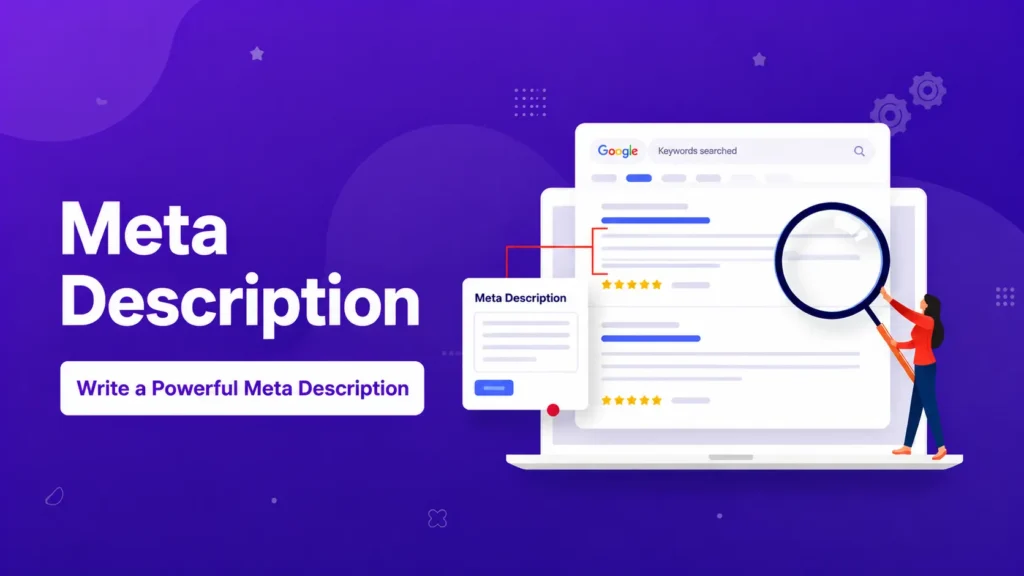
3. Write a Powerful Meta Description
Although it doesn’t directly affect rankings, it improves click-through rates.
Tips:
Keep it under 160 characters
Include your keyword
Add a call-to-action (CTA)
4. Use Proper Heading Structure (H1–H6)
Headings help both users and search engines understand your content structure.
Checklist:
Use one H1 tag (main title)
Use H2s for main sections
Use H3s for sub-points
5. Create High-Quality Content
Content is still king. Focus on value, clarity, and relevance.
Tips:
Write for humans, not just search engines
Keep content informative and engaging
Use short paragraphs and bullet points
Update content regularly
6. Optimize URL Structure
Clean URLs improve user experience and SEO.
Best Practices:
Keep URLs short and descriptive
Include your main keyword
Avoid unnecessary numbers or symbols
7. Internal Linking
Linking to other pages on your website helps spread authority across your site and improves overall SEO performance.
Checklist:
Use relevant anchor text
Link to important pages
Avoid excessive linking
8. Image Optimization
Images boost engagement, but they need to be properly optimized for the best results.
Tips:
Use descriptive file names
Add alt text with keywords
Compress images to improve loading speed
9. Improve Page Speed
A slow-loading website can negatively impact both your search rankings and overall user experience.
Tools to Use:
Google PageSpeed Insights
GTmetrix
10. Mobile-Friendliness
Most users browse on mobile devices. Your site must be responsive.
Checklist:
Use responsive design
Ensure fast loading on mobile
Test using mobile-friendly tools
11. Optimize for User Experience
Search engines tend to rank websites higher when they deliver a strong and user-friendly experience.
Focus on:
Easy navigation
Clear layout
Readable fonts
Low bounce rate
12. Add Schema Markup
Schema markup helps search engines interpret your content more effectively.Using structured data can improve your listings by enabling rich snippets in search results.
13. Use External Links
Linking to high-authority websites increases credibility.
Tip:
Link to relevant and trusted sources only
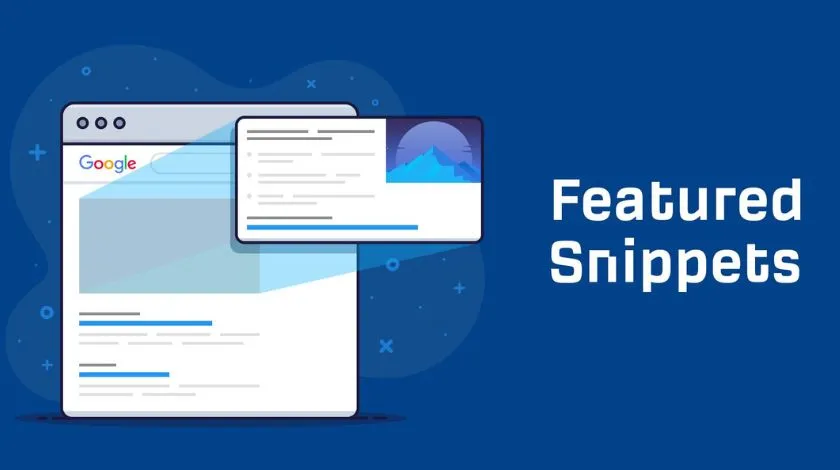
14. Optimize for Featured Snippets
Featured snippets can boost visibility significantly.
How:
Answer questions clearly
Use bullet points and lists
Keep answers concise
15. Monitor Performance
Track your SEO efforts and improve continuously.
Tools:
Google Analytics
Google Search Console
Conclusion
On-page SEO isn’t a one-time effort—it requires continuous optimization. By following this checklist, you can boost your website’s visibility, drive more traffic, and improve your rankings on Google.